Midsummer in Manhattan
- 3 minutes read - 444 wordsOn the 12th, Midsommar was observed in Manhattan. I, my half-Swede wife, and my quarter-Swede son — both blonder than most actual Scandinavians I know — went down and had a wonderful time among the Scandinavian or Scandinavian-heritage-having attendees on our little island. Apparently, thanks to New York scale, it’s the largest Midsommar festival outside of Scandinavia.
Also: outside of Burning Man, it was the most pagan thing I’ve ever experienced, like the brooding mysterious songs of the band Heilung.
Heilung: A Danish/German band surfacing Elder Anglo-Saxon dreams
And where “pagan” and the light clothing necessities of sommar intersect, no surprise, it was the most sexually-charged event I have ever found myself among. Beneath (or because of) the chocolate, the (drunken) line dancing to nursery rhymes, the running children, and the furtively darting eyes of the brigades of buxom au pairs in white dresses and flower crowns, the entire festival said: “And now is the time for making of the babies.”
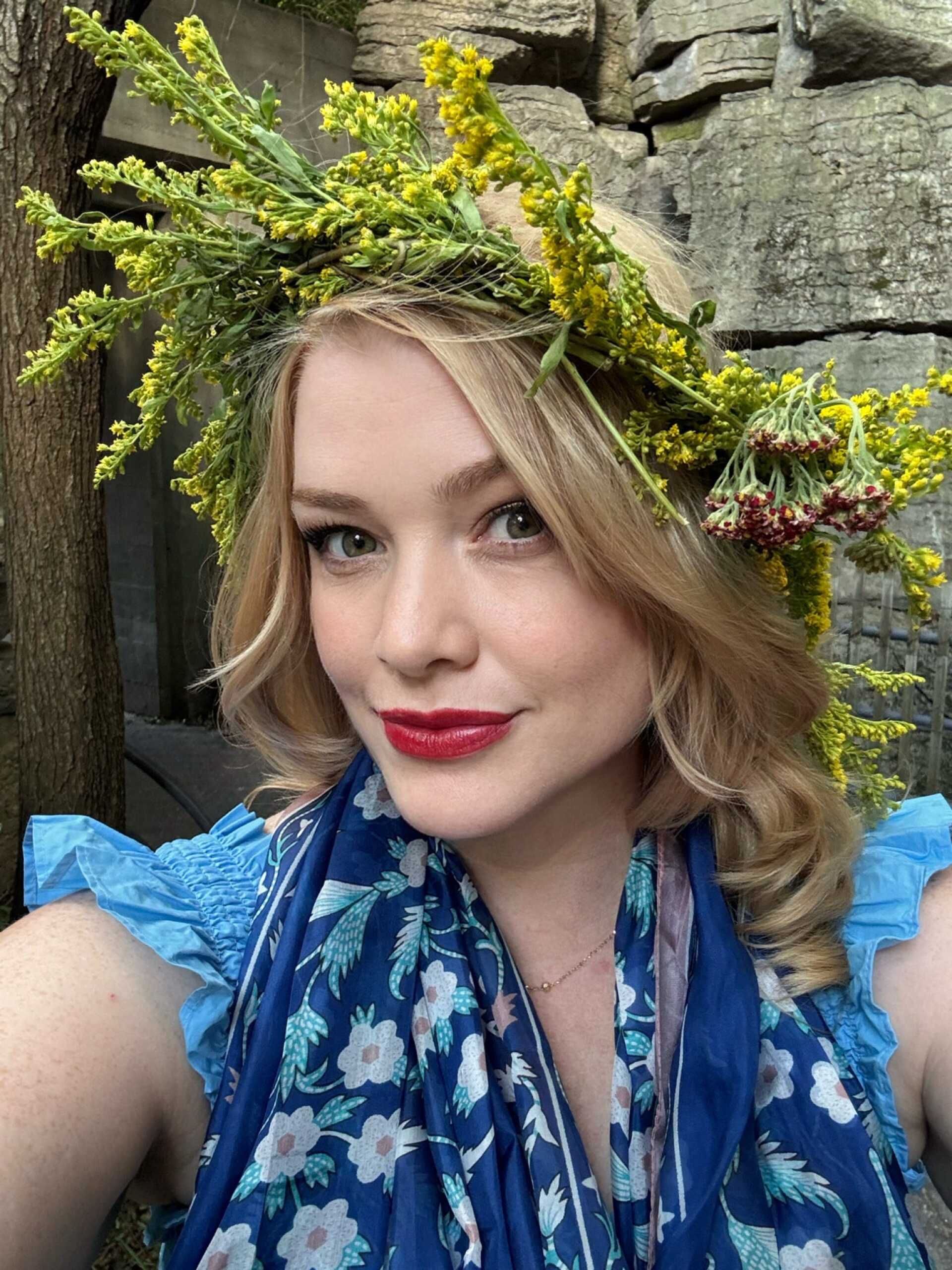
My wife, dutifully crowned.
And here’s the thing, the entire population was wordlessly in on it: the children were the goal; the teens were entering its mysteries; the young were seeking and choosing; the mothers were split between the effects and the causes; the grandparents were there to provide babysitting; the elders were there witnessing the scope of Nature’s machinery and remembering the seasons when they wore those masks; the music and food were there to say “now it is good; but later it will not be as good.” Every blade of grass, every tree, every drop of sweat was in a conspiratorial cabal for surviving winter and making it to next sommar.
The planting cycle spake:
Babies made now come in the depth of the dark winter; well-fed mothers nurse them to the early shoots of March and April; the grains rise in their third month and sommar comes again with its bounty to get them to 7 or 8 months; with favor of the gods they can reach their first year, then the tribe grows by one.
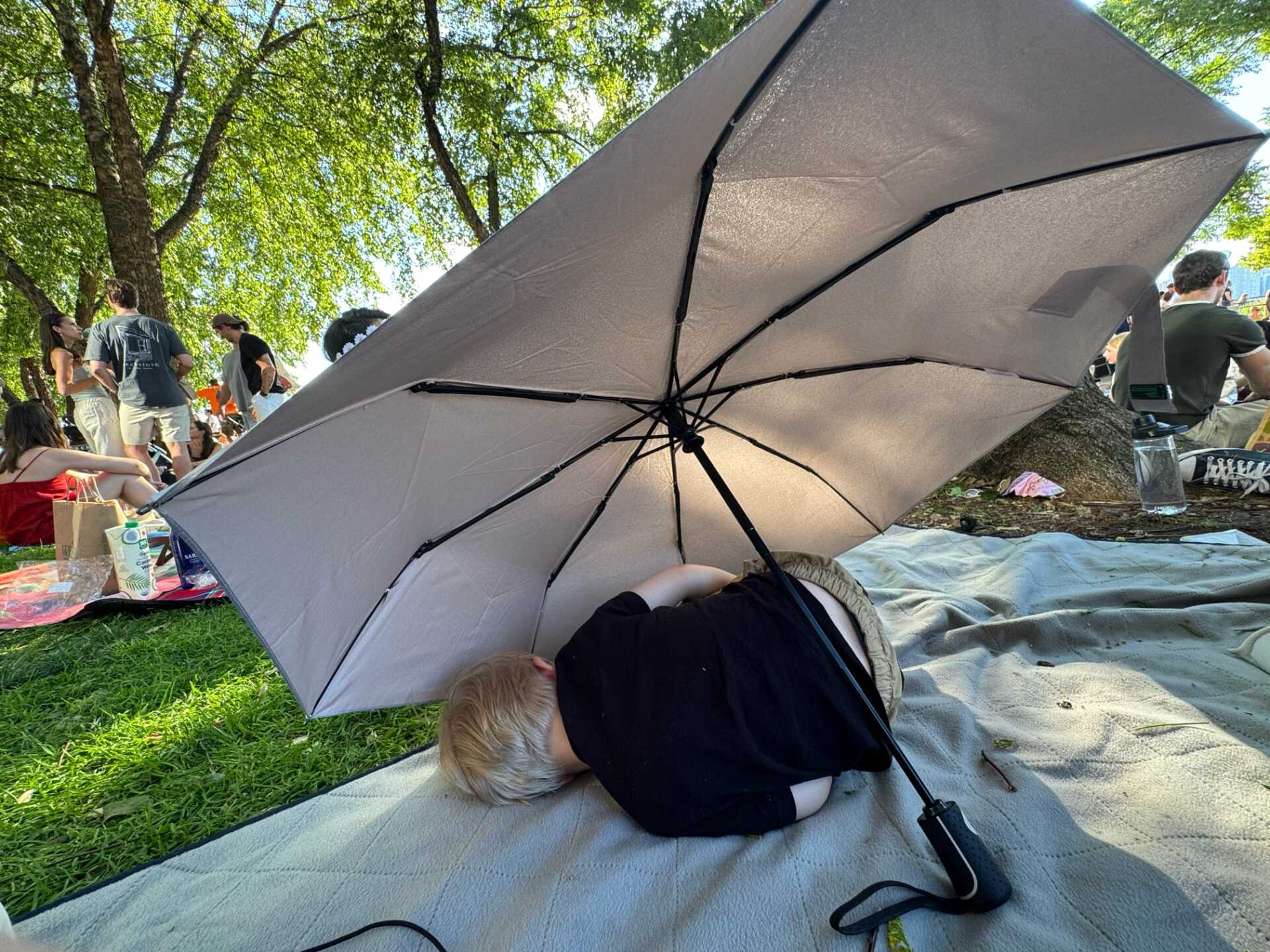
The tribe’s newest addition, unconscious to his own importance.
It was also the most natural thing I ever experienced. And somewhere deep in my epigenetics, in the ancestral voice that last clutched Europe around the Hanseatic Free City of Bremen, something felt at home. It was a touch of the Elder religion; it was the voice of that religion that underlies Scandinavian Christianity, the religion of the forests and the pines that was ingested and assimilated by the Judean mystery rites of Yeshua ben-Josef but whose birthday observation retains tree worship as the “Christmas tree” and whose celebration syncretically winds in the Jul log.